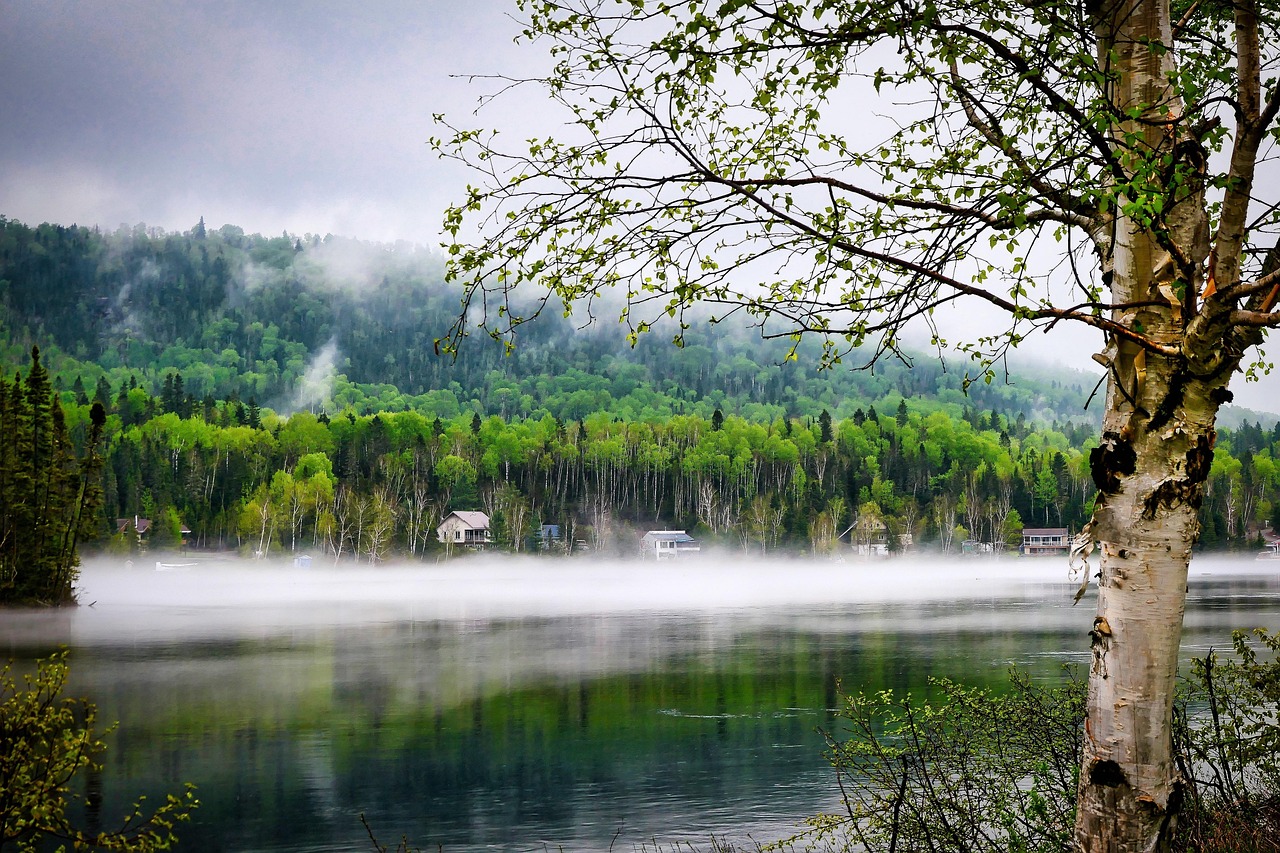
Your complete guide to making the most of your first Canadian adventure.
Canada is one of the most breathtaking and welcoming countries in the world, but its sheer size and diversity can make planning your first trip feel overwhelming. From coast to coast, this vast nation offers towering mountain ranges, pristine lakes, vibrant multicultural cities, and some of the friendliest people you'll ever meet. This guide will walk you through everything you need to know to plan an unforgettable first visit to Canada.

Before booking your flights, it's essential to understand Canada's entry requirements. Citizens of many countries — including the United States, United Kingdom, Australia, and most EU nations — do not need a visa for short visits but do require an Electronic Travel Authorization (eTA) if arriving by air. The eTA is a simple online application that costs just $7 CAD and is usually approved within minutes.
Citizens of other countries may need a Temporary Resident Visa (TRV), which requires more documentation and processing time. Regardless of your nationality, you'll need a valid passport that remains valid for the duration of your stay. It's also wise to carry proof of onward travel, proof of sufficient funds, and travel insurance documentation.
For the most up-to-date information on visa requirements, check the Canada entry requirements page or visit the official Government of Canada website before your trip.
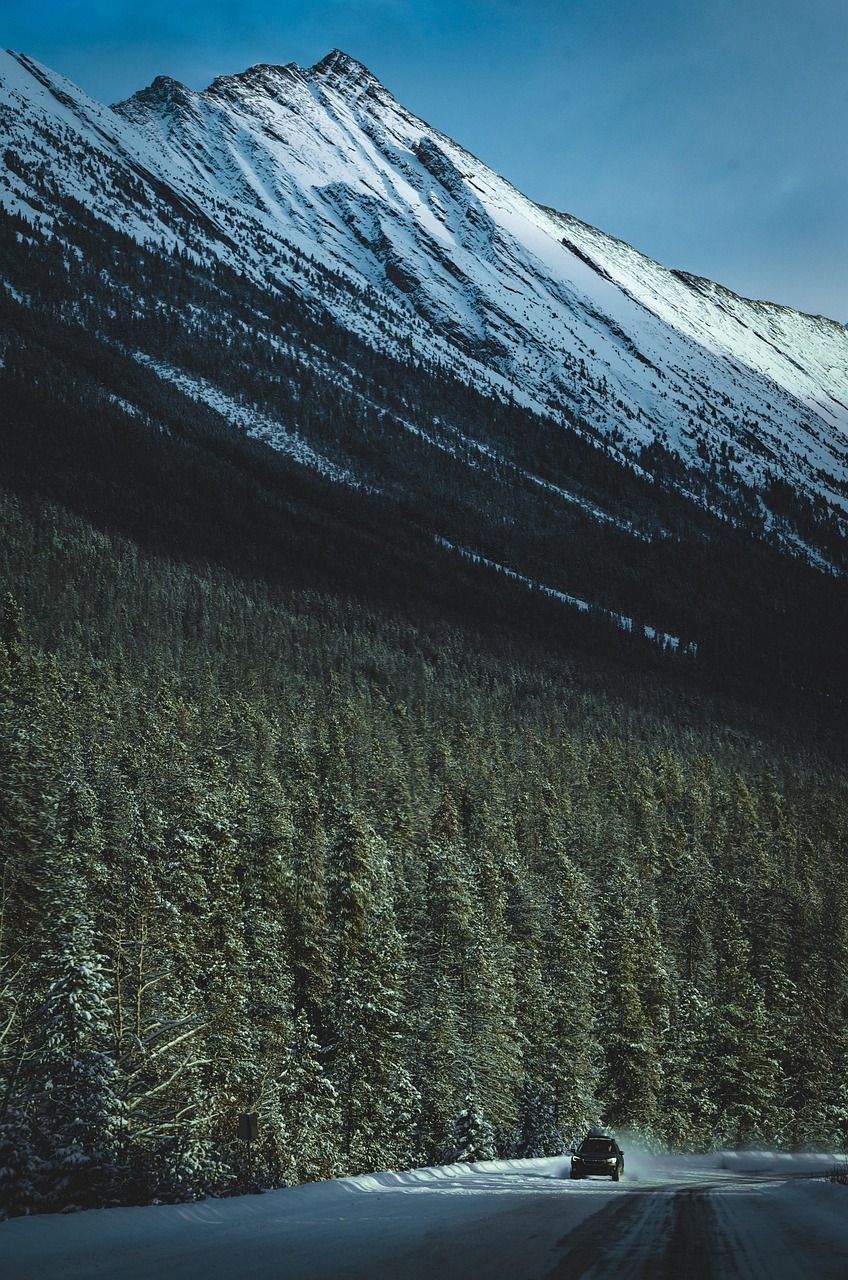
Canada is the second-largest country in the world, spanning six time zones from the Atlantic to the Pacific and north to the Arctic. Trying to see everything in one trip is impossible, so it's important to choose a region that matches your interests and the time you have available.
For mountain lovers and outdoor adventurers, the Canadian Rockies in Alberta and British Columbia are an absolute must. Banff and Jasper National Parks offer some of the most spectacular scenery on Earth — turquoise glacial lakes, towering peaks, and abundant wildlife. The Icefields Parkway, connecting Banff to Jasper, is regularly ranked as one of the world's most scenic drives.
For culture and city experiences, Toronto, Montreal, and Vancouver are world-class destinations. Toronto is Canada's largest and most multicultural city, home to the CN Tower, diverse neighbourhoods like Kensington Market, and a thriving food scene. Montreal blends European charm with North American energy — cobblestone streets, incredible restaurants, and a legendary nightlife. Vancouver offers stunning natural beauty right at the city's doorstep, with mountains, ocean, and Stanley Park all within minutes of downtown.
For coastal scenery and maritime charm, head to the Atlantic provinces. Nova Scotia's Cabot Trail is one of the world's great coastal drives, while Prince Edward Island offers red-sand beaches and a relaxed pace of life. Newfoundland's Gros Morne National Park features dramatic fjords and ancient geological formations.
For northern adventure and the Aurora Borealis, the Yukon and Northwest Territories offer wilderness experiences unlike anywhere else — dog sledding, Northern Lights viewing, and vast untouched landscapes.

Canada is not the cheapest destination, but with careful planning, you can have an incredible trip at various budget levels. Here's a rough daily cost breakdown per person:
Accommodation is typically the biggest expense. Booking in advance is strongly recommended during peak summer months (July-August), especially in popular destinations like Banff, Jasper, and the Maritime provinces. National park campgrounds can sell out months ahead, so reserve early if you plan to camp.
Food costs vary widely — a meal at a casual restaurant typically costs $15-25 CAD, while fine dining can easily exceed $80 CAD per person. Grocery stores are well-stocked and reasonably priced if you're self-catering. Remember to budget for tipping (15-20% in restaurants) and the GST/HST sales tax, which is added at the register and varies by province (5-15%).
Purchase a Parks Canada Discovery Pass ($72.25 CAD for adults) if you plan to visit multiple national parks. It gives you unlimited admission to all Parks Canada locations for an entire year and pays for itself after just two or three park visits.
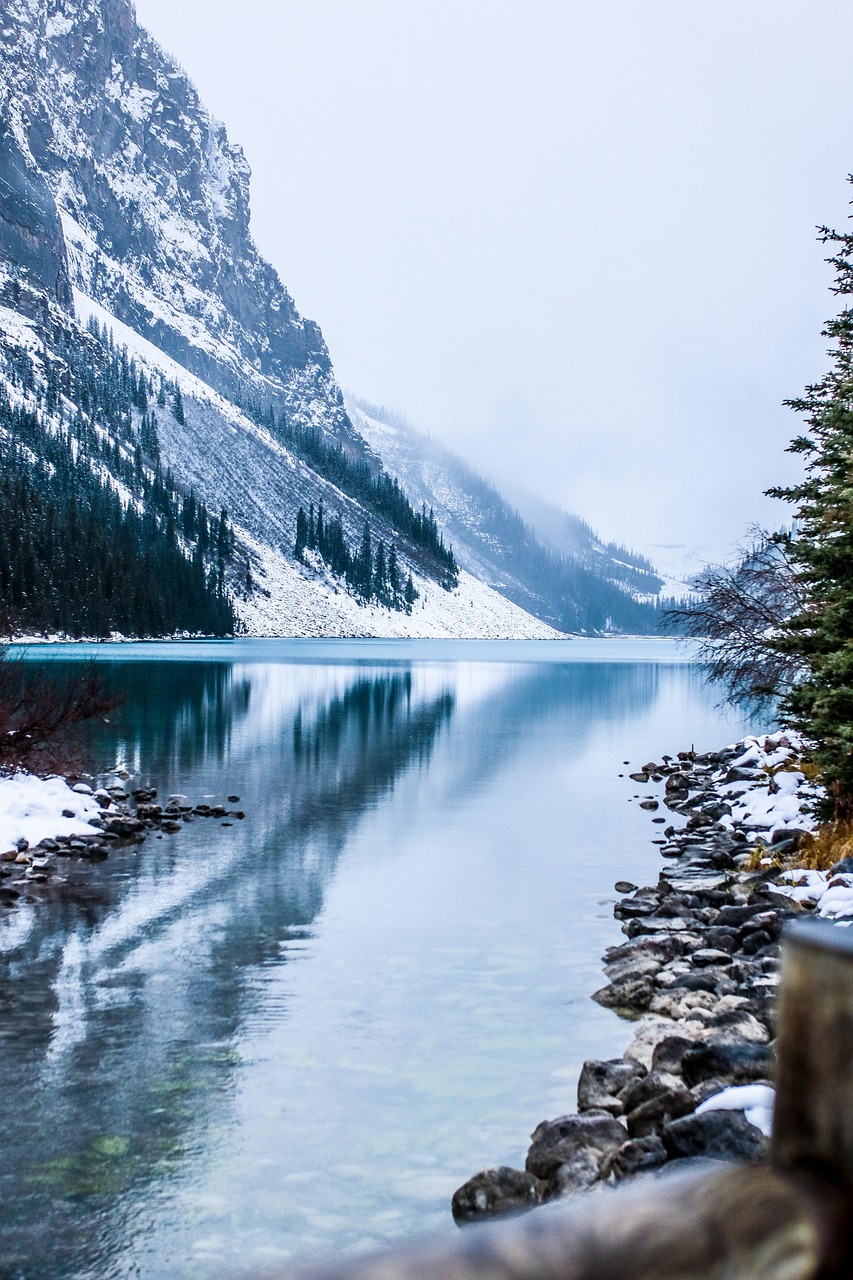
Discover Canada's world-class national parks — from Banff and Jasper to the dramatic fjords of Gros Morne.
Read More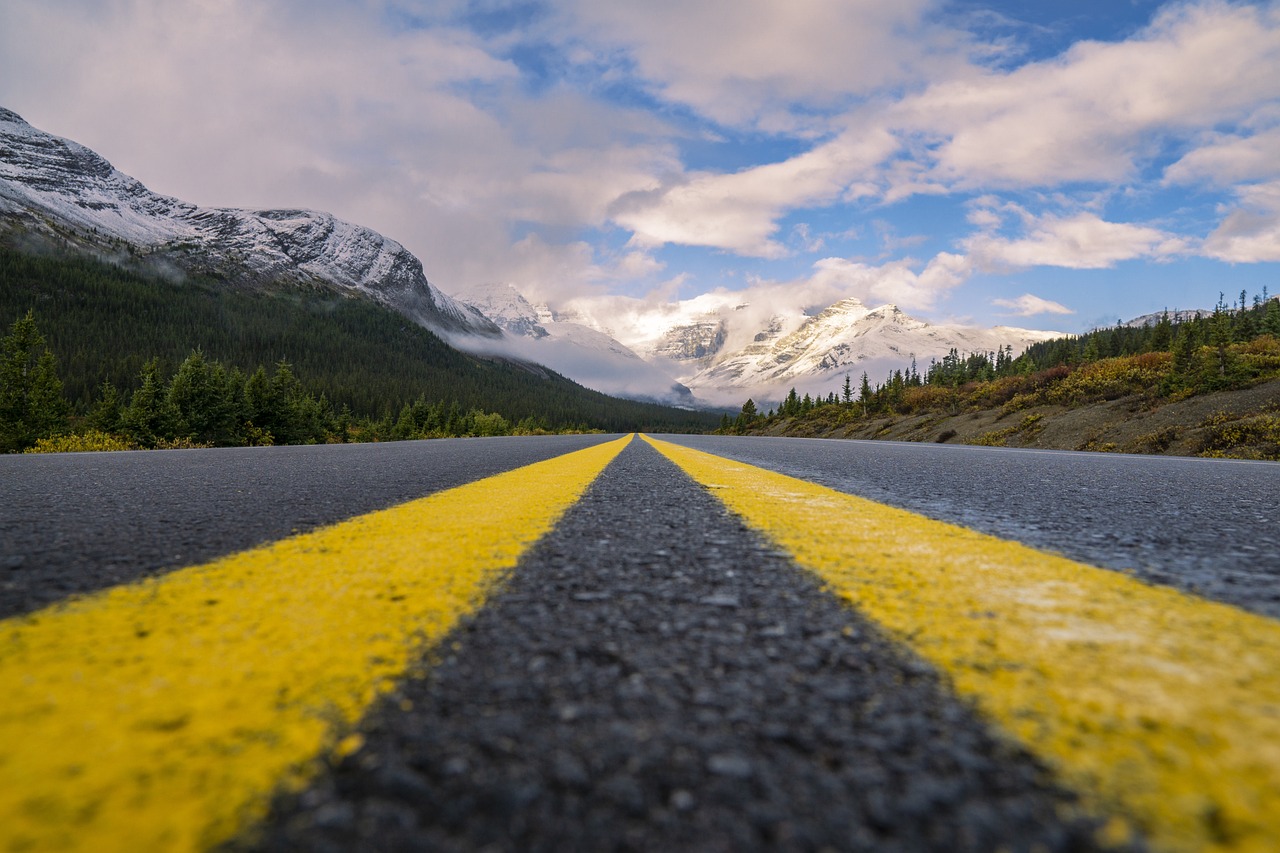
Hit the open road and explore Canada's most spectacular driving routes and scenic highways.
Read More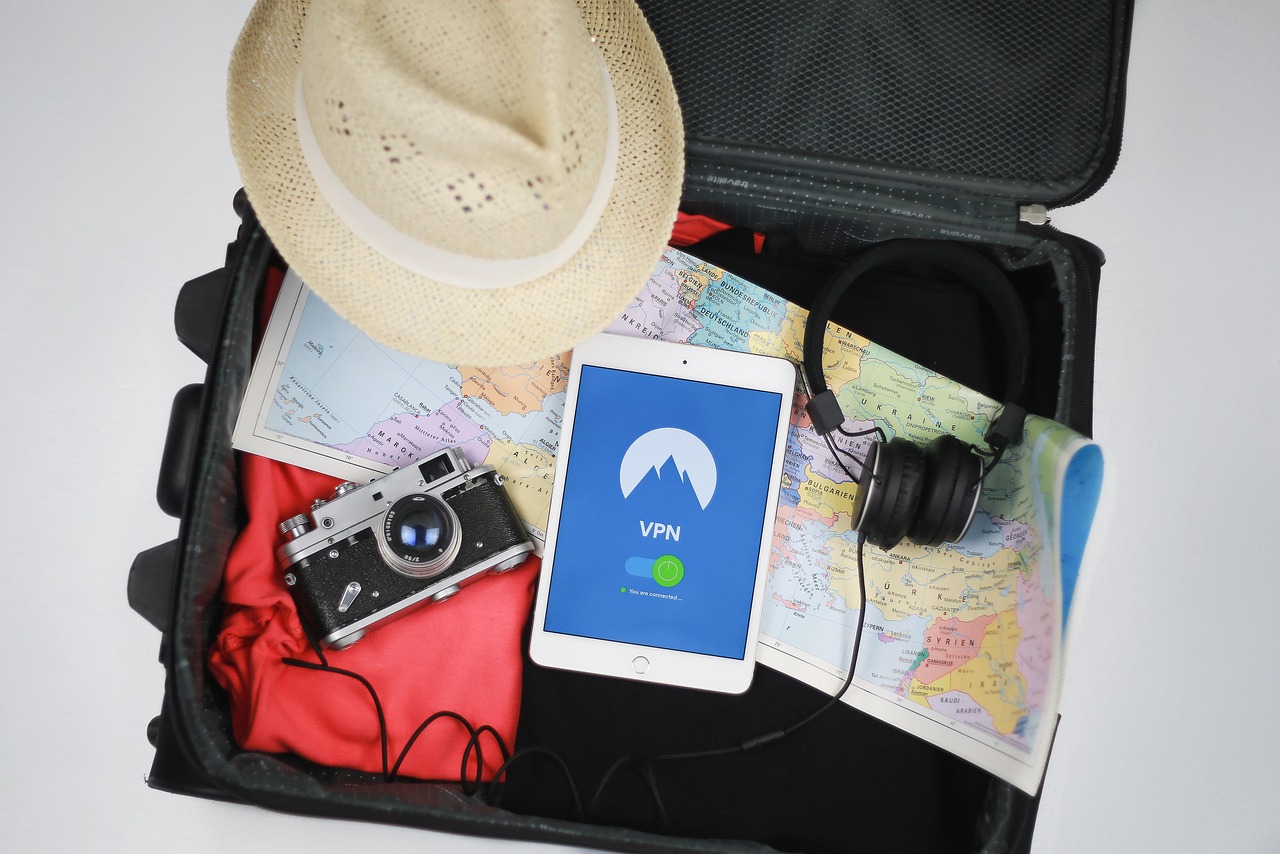
Know exactly what to pack for your Canadian adventure — seasonal clothing, gear, and essentials.
Read MoreLet us help you plan the perfect Canadian adventure — from the Rockies to the Atlantic coast and everything in between.
Explore Our Tours Entry Requirements