Packing for Canada can be a challenge — the country spans six time zones and experiences everything from scorching summer heat to bone-chilling Arctic winters. Whether you're exploring the Rocky Mountains in July, watching fall foliage in Quebec, or chasing the Northern Lights in the Yukon, having the right gear can make the difference between an incredible adventure and a miserable one. This guide covers everything you need to pack for a Canadian trip, no matter the season.
Clothing: Mastering the Art of Layering
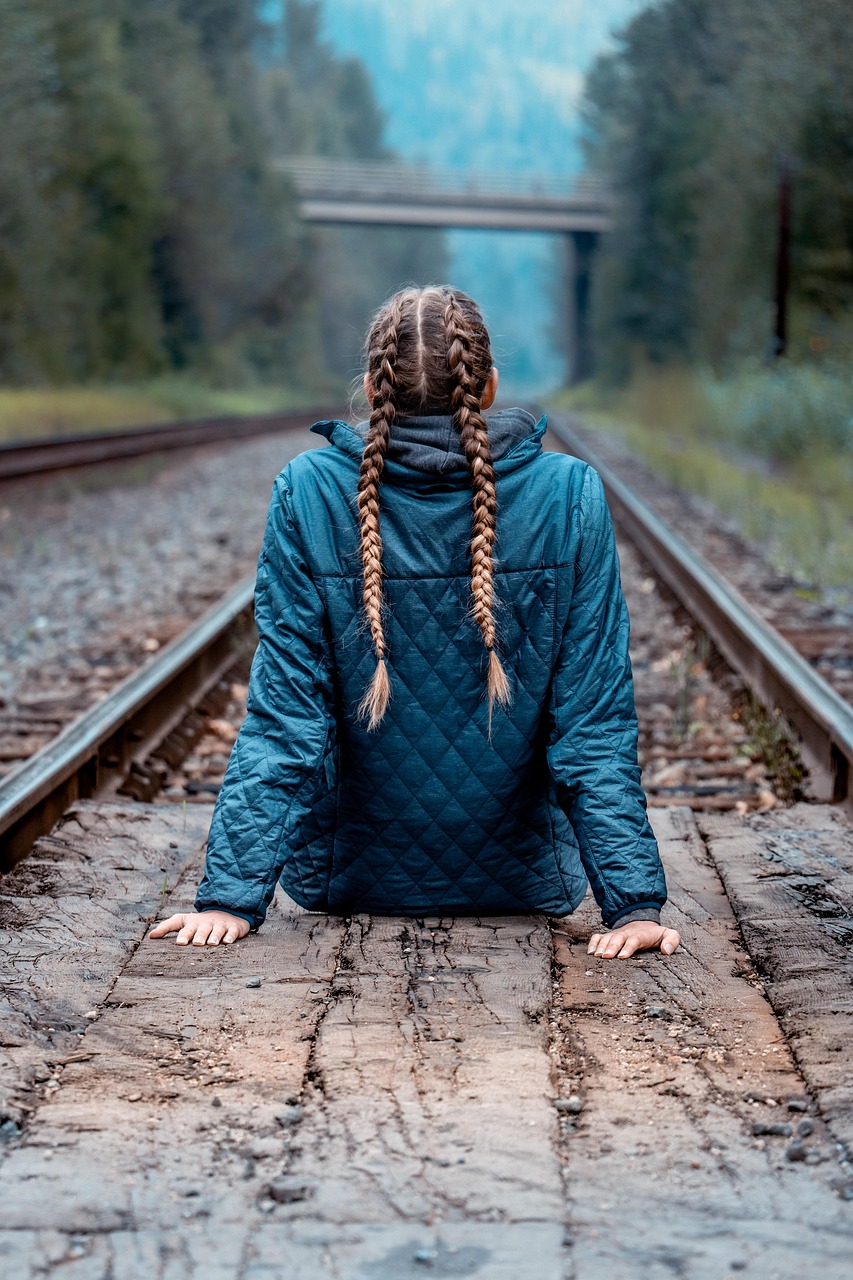
The golden rule of dressing for Canada is layering. Temperatures can vary dramatically throughout a single day, especially in the mountains or near the coasts. A system of base layer, mid layer, and outer layer gives you the flexibility to adapt to any conditions.
Summer (June - August)
- Base layers: Lightweight, moisture-wicking t-shirts and shorts. Cotton is fine for city sightseeing, but synthetic or merino wool fabrics are better for outdoor activities as they dry quickly and manage sweat.
- Mid layer: A light fleece jacket or long-sleeve shirt for cooler evenings. Even in summer, temperatures can drop to 10-15°C in the mountains after sunset.
- Outer layer: A waterproof, breathable rain jacket is essential. Summer showers are common, especially in British Columbia and the Maritimes. A packable wind jacket is also useful.
- Footwear: Comfortable walking shoes for cities, sturdy hiking boots with ankle support for trails. Bring sandals or water shoes if you plan to visit beaches or do water activities.
- Accessories: Sunglasses, a wide-brimmed hat or baseball cap, and SPF 30+ sunscreen. In northern areas, the summer sun stays up very late and UV can be strong.
Spring & Autumn (March - May, September - November)
- Base layers: Long-sleeve shirts and comfortable trousers. Temperatures range widely — from near-freezing mornings to pleasant afternoons.
- Mid layer: A warm fleece or down jacket. Autumn mornings can be chilly, especially in the Rockies and Maritimes.
- Outer layer: A waterproof jacket with a hood. Spring is particularly rainy on the west coast. A heavier insulated jacket is needed for late autumn and early spring.
- Footwear: Waterproof hiking boots are ideal. Trails can be muddy in spring and slippery with fallen leaves in autumn.
- Accessories: Warm hat, lightweight gloves, and a scarf for cooler days. Layered accessories let you adapt as the temperature shifts throughout the day.
Winter (December - February)
- Base layers: Thermal underwear (merino wool or synthetic) is non-negotiable. Temperatures can plunge to -20°C or colder in many parts of Canada.
- Mid layer: Thick fleece, wool sweater, or insulated vest. Multiple mid layers may be needed in extreme cold.
- Outer layer: A heavy, windproof, waterproof winter parka rated to at least -20°C. Look for one with a hood, preferably with faux-fur trim to protect your face from wind.
- Footwear: Insulated, waterproof winter boots with good traction. Look for boots rated to at least -25°C. Wool socks are essential — bring multiple pairs.
- Accessories: Insulated gloves or mittens (mittens are warmer), a warm toque (Canadian for "beanie"), a neck gaiter or balaclava, and hand/toe warmers for extremely cold days.
Outdoor Gear
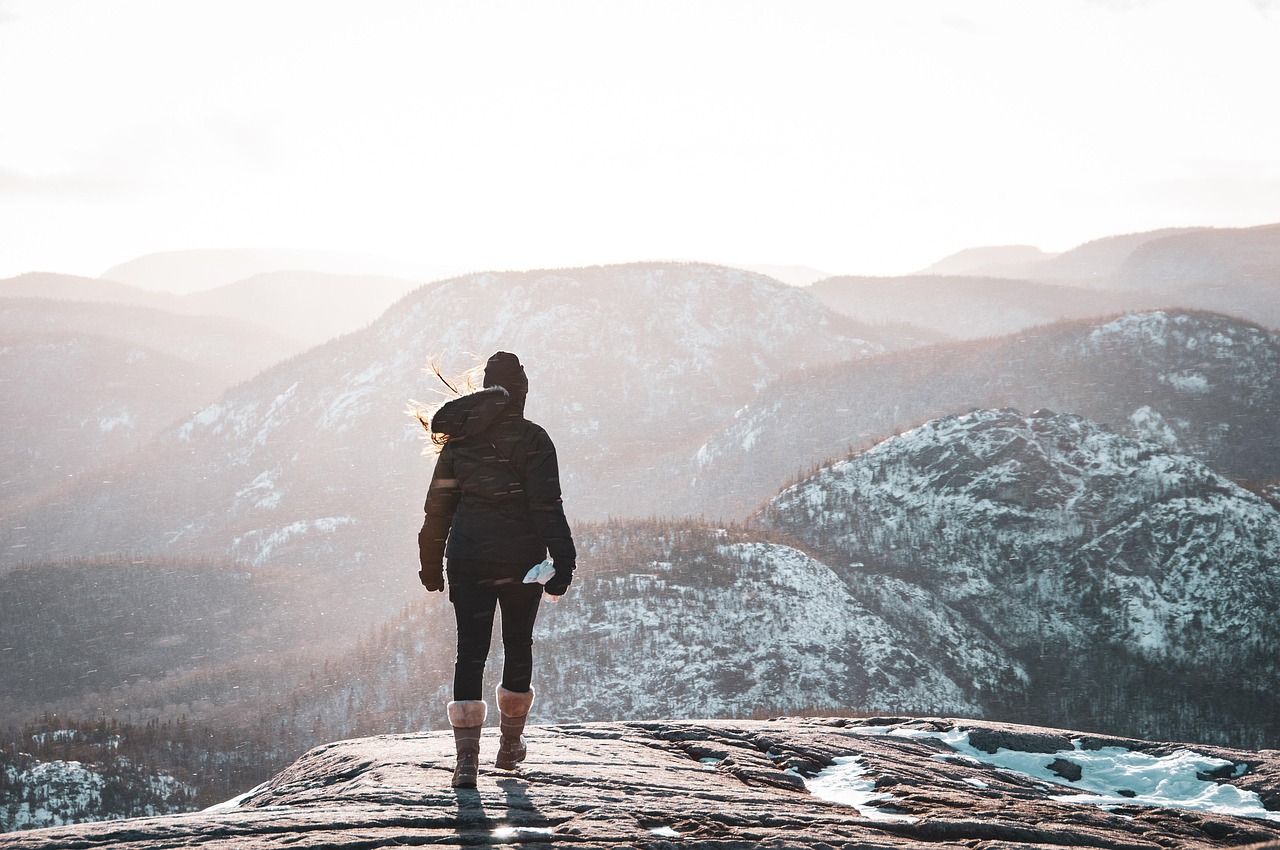
If you're planning outdoor adventures in Canada — and you absolutely should be — here are the essential gear items to pack or rent:
- Daypack (20-30L): Essential for day hikes, carrying water, snacks, and extra layers. Look for one with a rain cover.
- Reusable water bottle: Canada's tap water is excellent, and many parks have water refill stations. A 1-litre insulated bottle keeps drinks cold in summer and prevents freezing in winter.
- Insect repellent: Mosquitoes and black flies can be intense from May to September, especially near lakes, rivers, and in the boreal forest. Bring DEET-based or picaridin repellent and consider a bug net headpiece for backcountry hiking.
- Bear spray: If you're hiking in bear country (the Rockies, British Columbia, or northern regions), bear spray is essential. It's available at outdoor shops throughout Canada. Check airline regulations if you plan to fly — bear spray cannot be carried on aircraft.
- Headlamp or flashlight: Essential for camping, early morning hikes, or exploring after dark. In winter, daylight hours are limited — it can be dark by 4:30pm in December.
- Trekking poles: Highly recommended for mountain hikes, especially on steep or uneven terrain. They reduce knee strain and improve stability on descents.
- Binoculars: Canada's wildlife is spectacular. A compact pair of binoculars enhances whale watching, bird watching, and wildlife viewing in national parks.
Health & Safety Essentials
Don't overlook these important health and safety items:
- Travel insurance documentation: Print and carry your policy details. Canadian healthcare for visitors is expensive — a simple emergency room visit can cost thousands of dollars.
- Prescription medications: Bring more than enough for your trip, plus copies of prescriptions. Keep medications in original labelled containers for customs.
- First aid kit: A basic kit with bandages, antiseptic wipes, pain relievers, blister treatments, and any personal medications. Add moleskin for blisters if you'll be doing a lot of hiking.
- Sunscreen and lip balm with SPF: UV exposure is significant at high altitudes and near snow/water, which reflects sunlight. Apply even on overcast days.
- Hand sanitizer and wet wipes: Useful for outdoor activities where hand-washing facilities may not be available.
Tech & Accessories
Stay connected and capture every moment with these tech essentials:
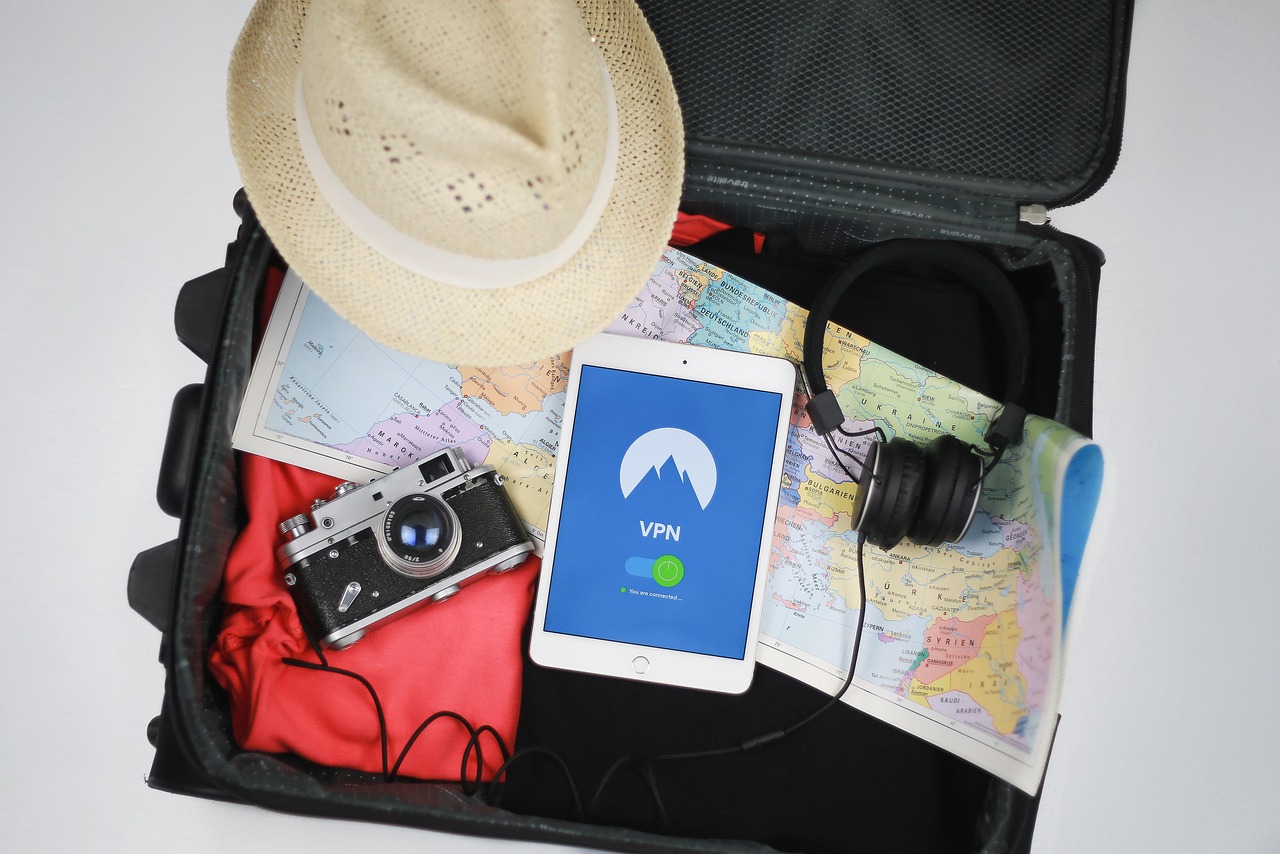
- Universal power adapter: Canada uses Type A and B plugs (same as the US) with 120V/60Hz electricity. If you're coming from Europe, Asia, or other regions, you'll need an adapter.
- Portable power bank: Essential for keeping your phone charged during long outdoor days. Cold weather drains batteries faster, so bring one rated for at least 10,000mAh.
- Camera and extra memory cards: Canada's landscapes are incredibly photogenic. Whether you use a DSLR, mirrorless camera, or smartphone, make sure you have plenty of storage and a spare battery.
- Offline maps: Download Google Maps or Maps.me for offline use. Cell coverage can be limited in national parks and rural areas. GPS navigation in a rental car is also recommended.
- Waterproof phone case or dry bag: Protect your electronics during water activities, rain, or snow. A small dry bag is invaluable for kayaking, boat tours, and wet-weather hiking.
Packing Tip
Pack half of what you think you need. Canada has excellent outdoor gear shops (MEC, SportChek, Atmosphere) in every major city, so you can easily buy anything you've forgotten or didn't want to carry. Many shops near national parks also rent gear like hiking boots, trekking poles, and bear spray — a great option if you don't want to travel with bulky items.