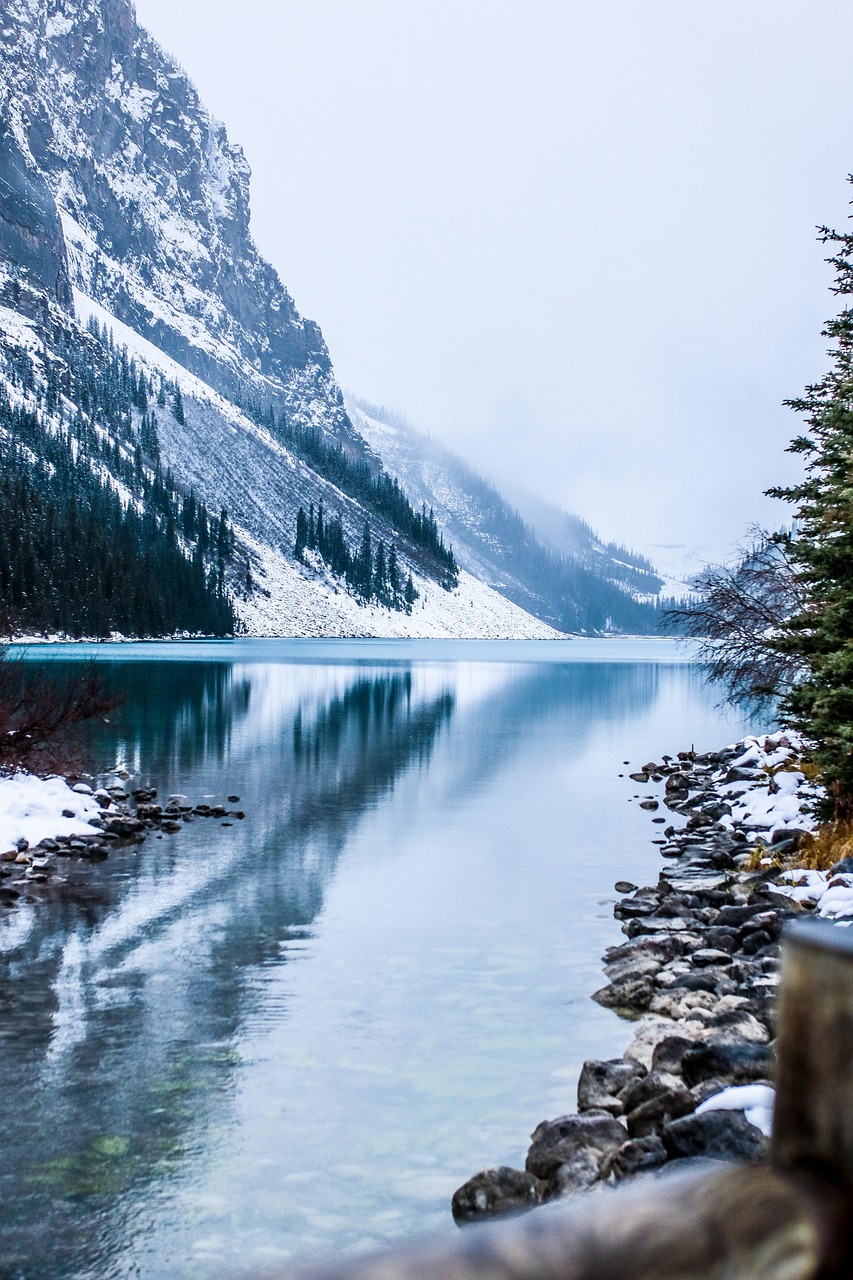
Discover some of the most spectacular protected wilderness areas on Earth.
Canada is home to 48 national parks and national park reserves, protecting over 340,000 square kilometres of pristine wilderness. From the towering Rocky Mountain peaks of Banff and Jasper to the dramatic Atlantic fjords of Gros Morne and the rainforests of Pacific Rim, Canada's national parks offer some of the most breathtaking landscapes and wildlife encounters on the planet. Whether you're an experienced backcountry hiker or prefer gentle nature walks, there's a Canadian national park waiting for you.
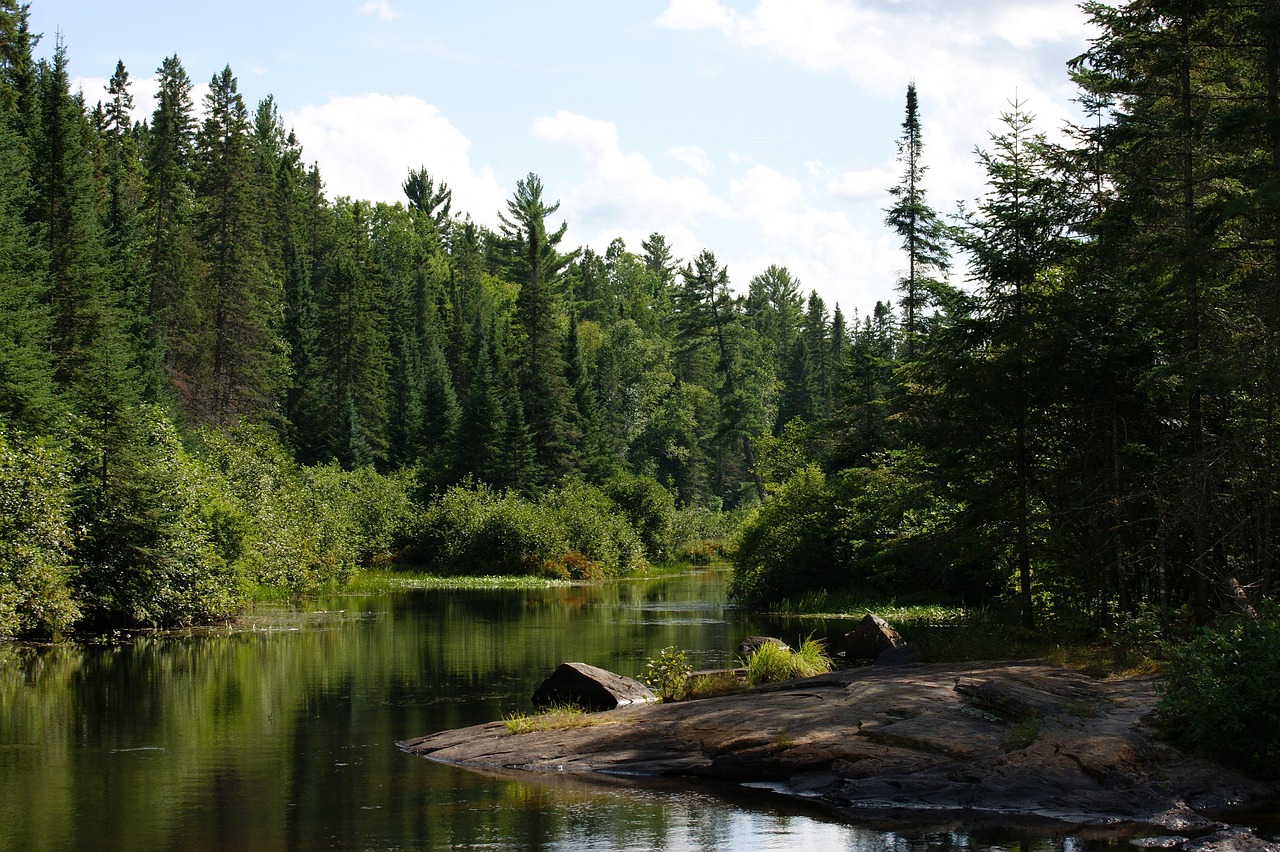
Canada's national park system, managed by Parks Canada, is one of the oldest and most respected in the world. Established in 1885 with Banff as the first national park, the system has grown to encompass an extraordinary diversity of ecosystems — from Arctic tundra and boreal forests to temperate rainforests and prairie grasslands.
What sets Canadian parks apart is their sheer scale and wildness. Unlike many European parks, Canadian national parks protect vast tracts of genuine wilderness where grizzly bears, wolves, moose, and caribou roam freely. The parks offer everything from developed campgrounds and visitor centres to remote backcountry trails where you might not see another person for days.
Parks Canada has also been a leader in balancing conservation with accessibility, offering excellent trail systems, interpretive programs, and unique accommodation options like oTENTik structures — a cross between a tent and a cabin that makes comfortable camping accessible to everyone.
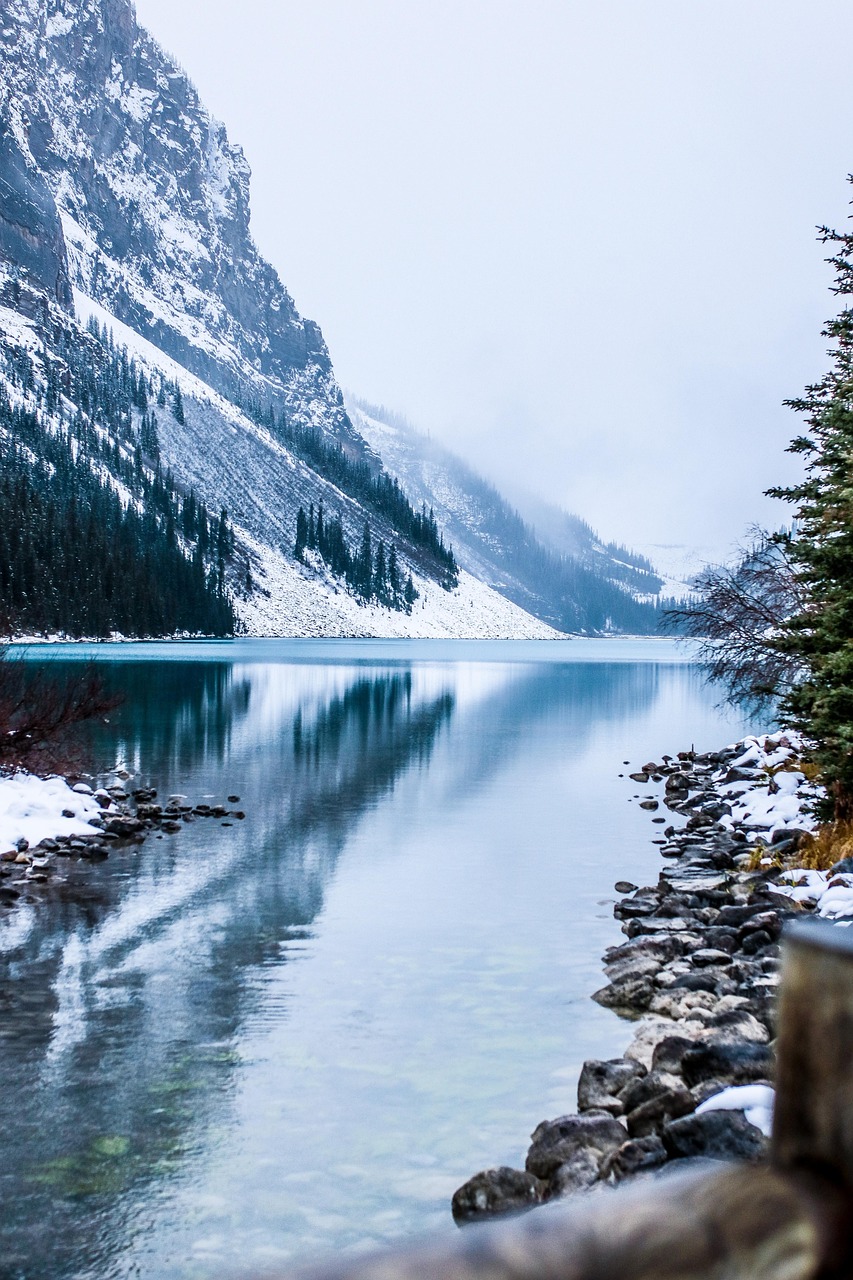
Canada's oldest and most famous national park, Banff is a UNESCO World Heritage Site that draws millions of visitors each year — and for good reason. The park is home to some of the most iconic scenery in the world: the impossibly turquoise waters of Lake Louise and Moraine Lake, the dramatic peaks of the Canadian Rockies, and the charming town of Banff nestled in the Bow Valley.
Banff offers over 1,600 kilometres of hiking trails ranging from easy lakeside strolls to challenging multi-day backcountry routes. In winter, the park transforms into a world-class ski destination with three resorts — Lake Louise Ski Resort, Sunshine Village, and Mt. Norquay. The Banff Upper Hot Springs provide a relaxing soak with mountain views year-round.
Must-do experiences: Canoe on Lake Louise, hike the Plain of Six Glaciers trail, drive the Bow Valley Parkway, soak in the Banff Upper Hot Springs, and watch for elk in the town of Banff at dusk.
The largest national park in the Canadian Rockies, Jasper is Banff's quieter, wilder sibling. Designated a Dark Sky Preserve, Jasper offers some of the best stargazing in the world. The park is home to the Columbia Icefield — one of the largest non-polar ice masses — where you can walk on the Athabasca Glacier or brave the glass-floored Glacier Skywalk.
Jasper's wildlife viewing is exceptional. The park supports healthy populations of grizzly bears, black bears, elk, moose, mountain goats, and bighorn sheep. Maligne Lake, with its iconic Spirit Island, is one of the most photographed spots in the Canadian Rockies. The Maligne Canyon ice walk in winter is an unforgettable experience.
Must-do experiences: Drive the Icefields Parkway, visit Maligne Lake and Spirit Island, stargaze during the Dark Sky Festival, hike the Tonquin Valley, and ride the Jasper SkyTram for panoramic mountain views.
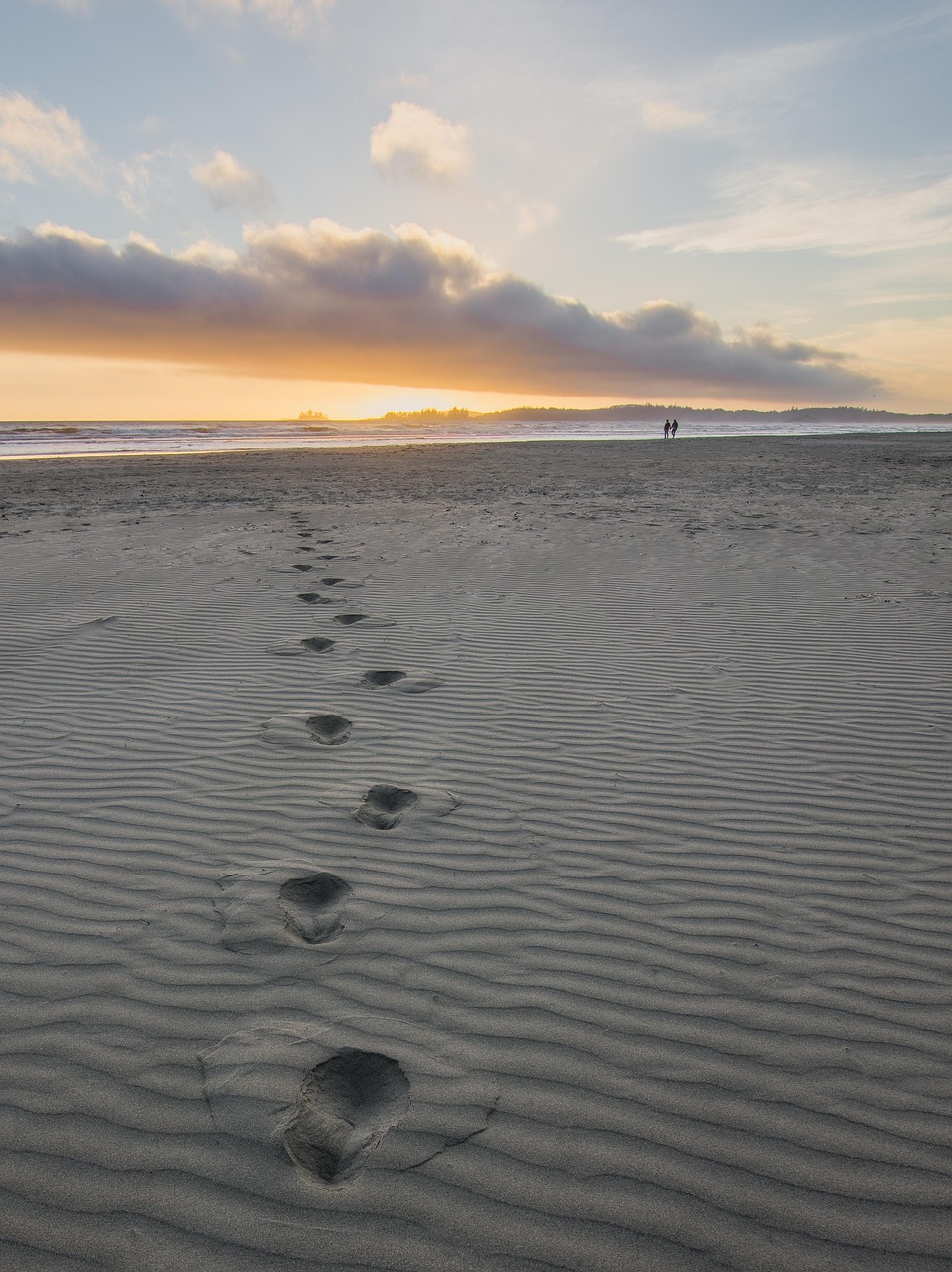
Located on the wild west coast of Vancouver Island, Pacific Rim is a place of raw, untamed beauty. Long Beach stretches for 16 kilometres of unbroken sand, backed by ancient temperate rainforest. The park is divided into three units: Long Beach, the Broken Group Islands (a kayaker's paradise), and the legendary West Coast Trail.
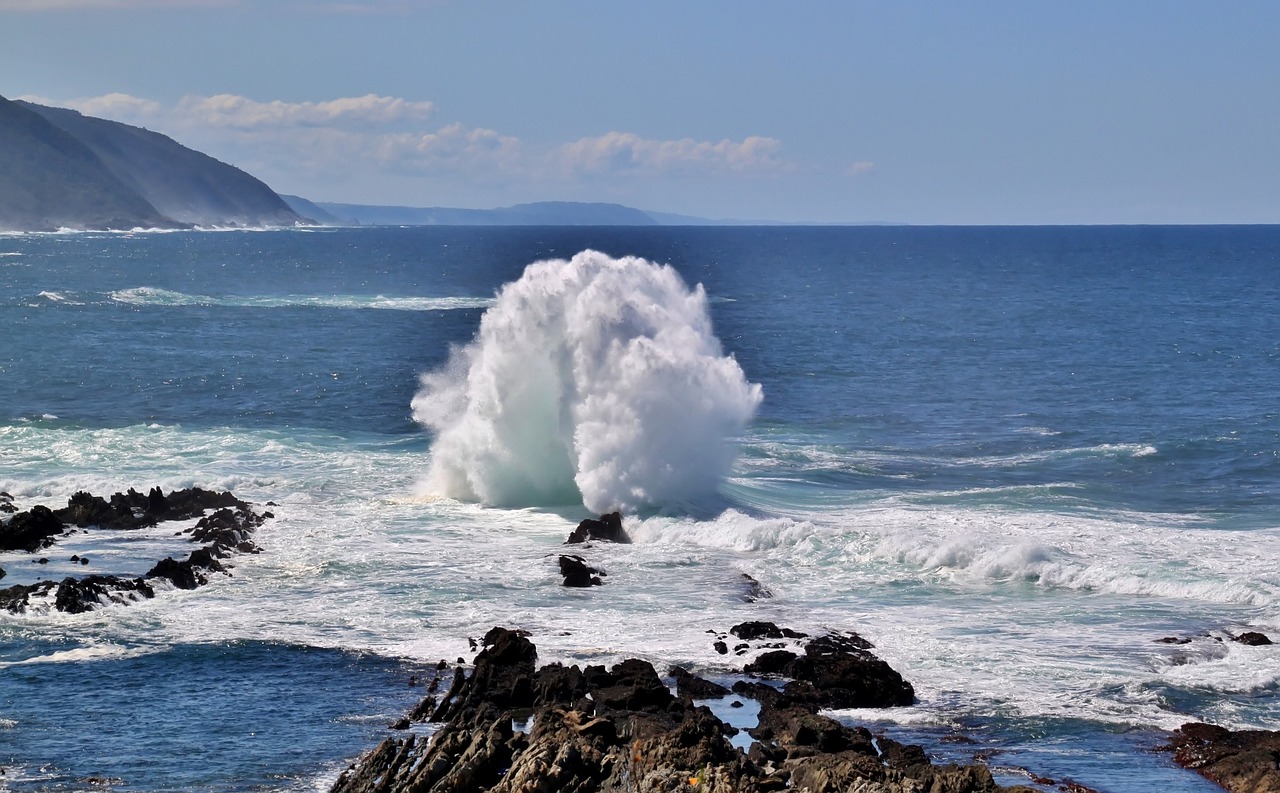
The West Coast Trail is one of the world's great long-distance hikes — a challenging 75-kilometre route along the rugged coastline, originally built as a lifesaving trail for shipwreck survivors. The area is also one of the best places in Canada for storm watching in autumn and winter, when massive Pacific storms crash dramatically against the shore.
Between March and October, Pacific Rim is also a prime spot for whale watching, with grey whales migrating through in spring and resident populations of humpback whales, orcas, and sea otters visible throughout summer.
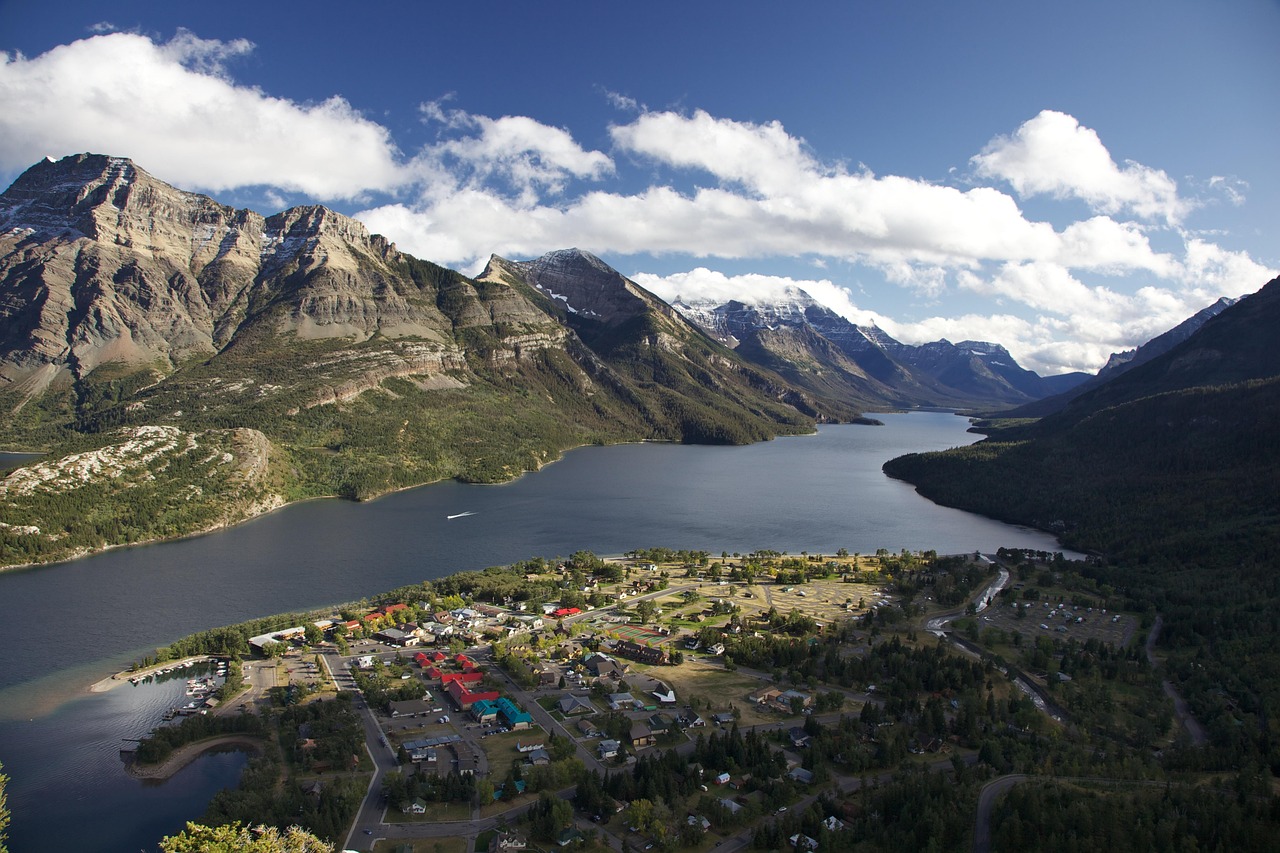
A UNESCO World Heritage Site on the west coast of Newfoundland, Gros Morne is a geological masterpiece. The park is famous for the Tablelands — a flat-topped mountain of exposed mantle rock that was pushed up from the Earth's interior, providing rare visible evidence of plate tectonics and continental drift.
The Western Brook Pond boat tour takes you through a spectacular landlocked fjord with 600-metre cliffs and countless waterfalls. The park's hiking is superb, from the challenging Gros Morne Mountain trail (with its Arctic-alpine plateau summit) to gentle coastal walks. The park is also a stronghold for moose, caribou, arctic hare, and bald eagles.
Gros Morne receives far fewer visitors than the Rocky Mountain parks, making it a perfect destination for travellers who value solitude and authentic wilderness experiences. The surrounding communities offer warm Newfoundland hospitality, traditional music, and fresh seafood.
To make the most of your Canadian national park experience, keep these planning tips in mind:
Canada's national parks are home to magnificent wildlife, but it's essential to observe from a safe distance and follow Parks Canada guidelines:
Visit popular parks like Banff and Jasper in September for the best combination of good weather, fall colours, fewer crowds, and active wildlife (including the elk rut and bears feeding before hibernation). It's many locals' favourite time to visit the parks.
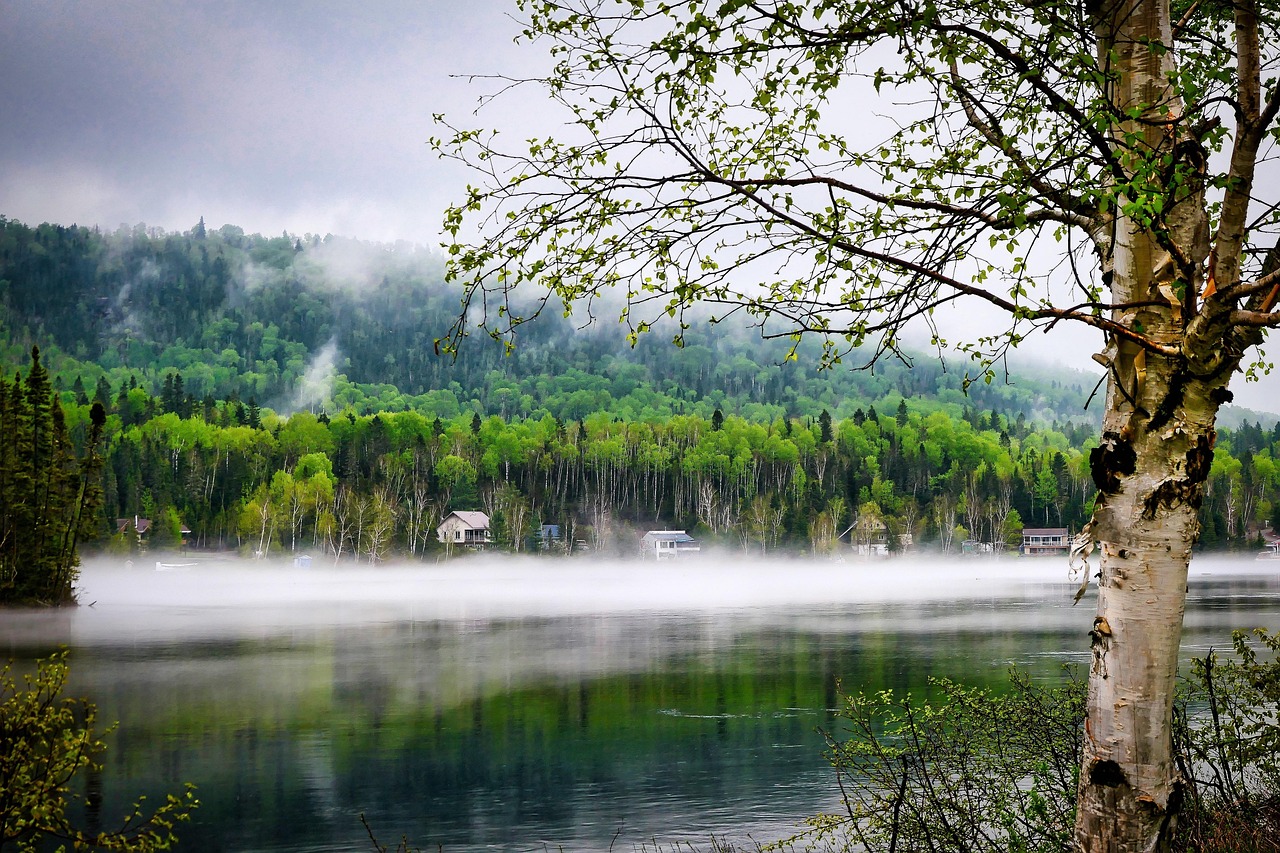
A complete guide for first-time visitors to Canada — from visas to destinations and budget planning.
Read More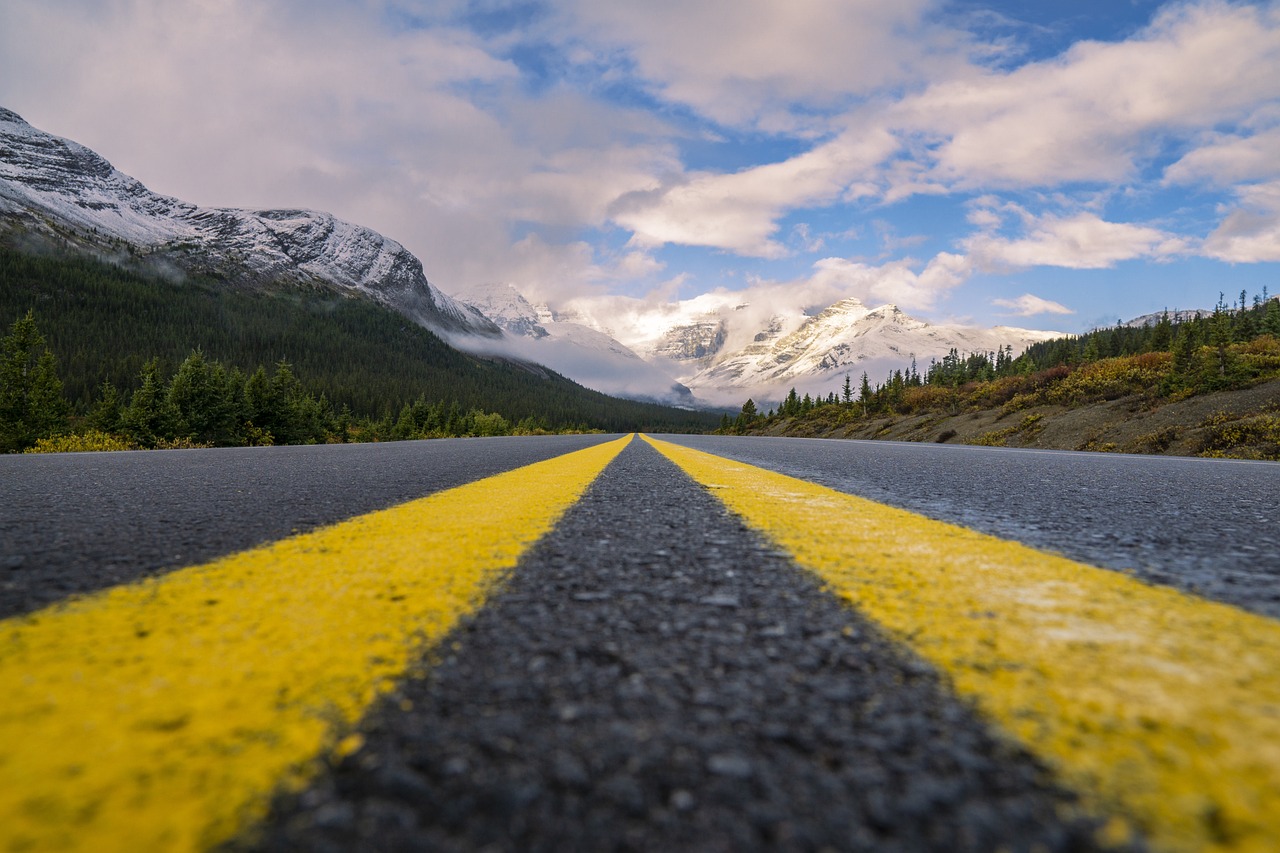
Hit the open road and explore Canada's most spectacular driving routes and scenic highways.
Read More
Know exactly what to pack for your Canadian adventure — seasonal clothing, gear, and essentials.
Read MoreLet us help you plan the perfect Canadian adventure — from the Rockies to the Atlantic coast and everything in between.
Explore Our Tours Entry Requirements