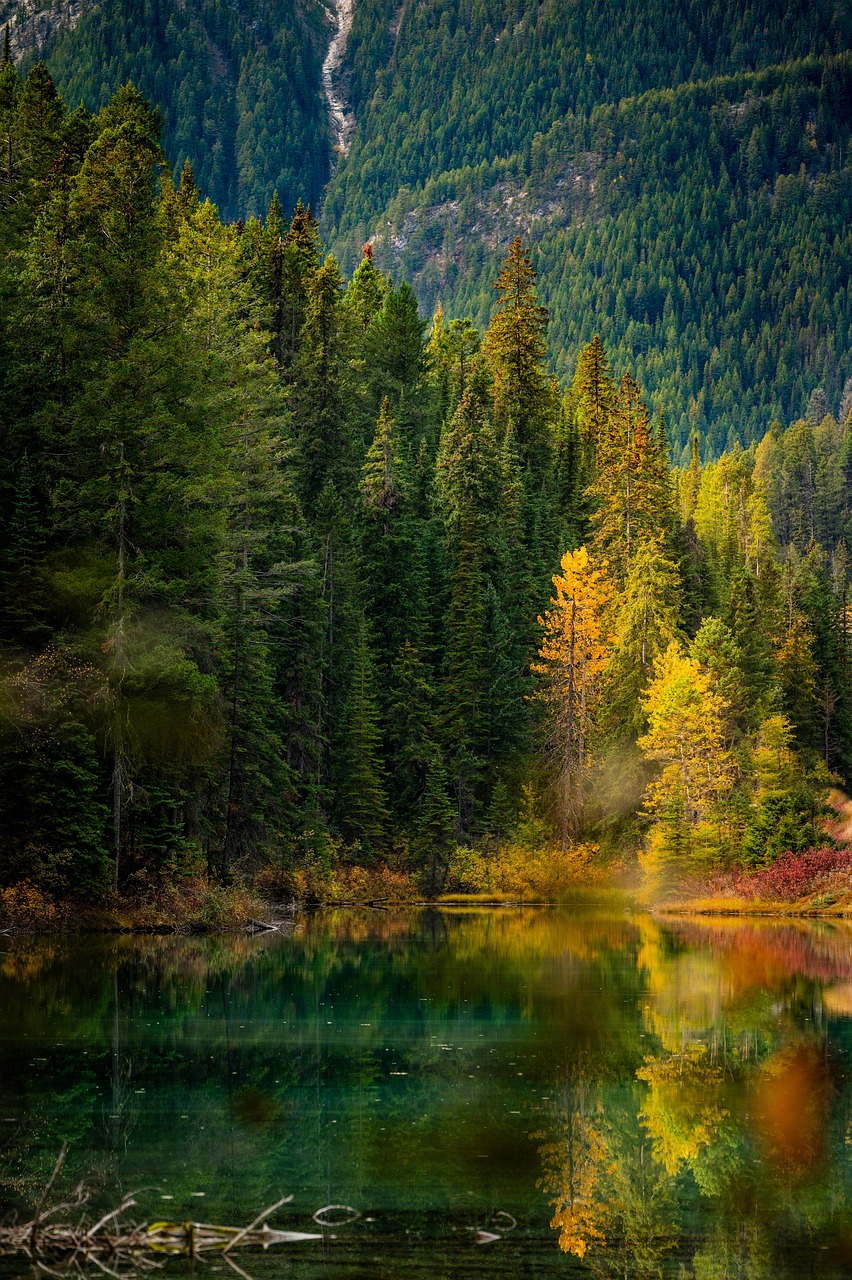
Everything you need to know before visiting the Great White North — from packing advice to cultural insights.
In-depth guides to help you plan the perfect Canadian adventure.
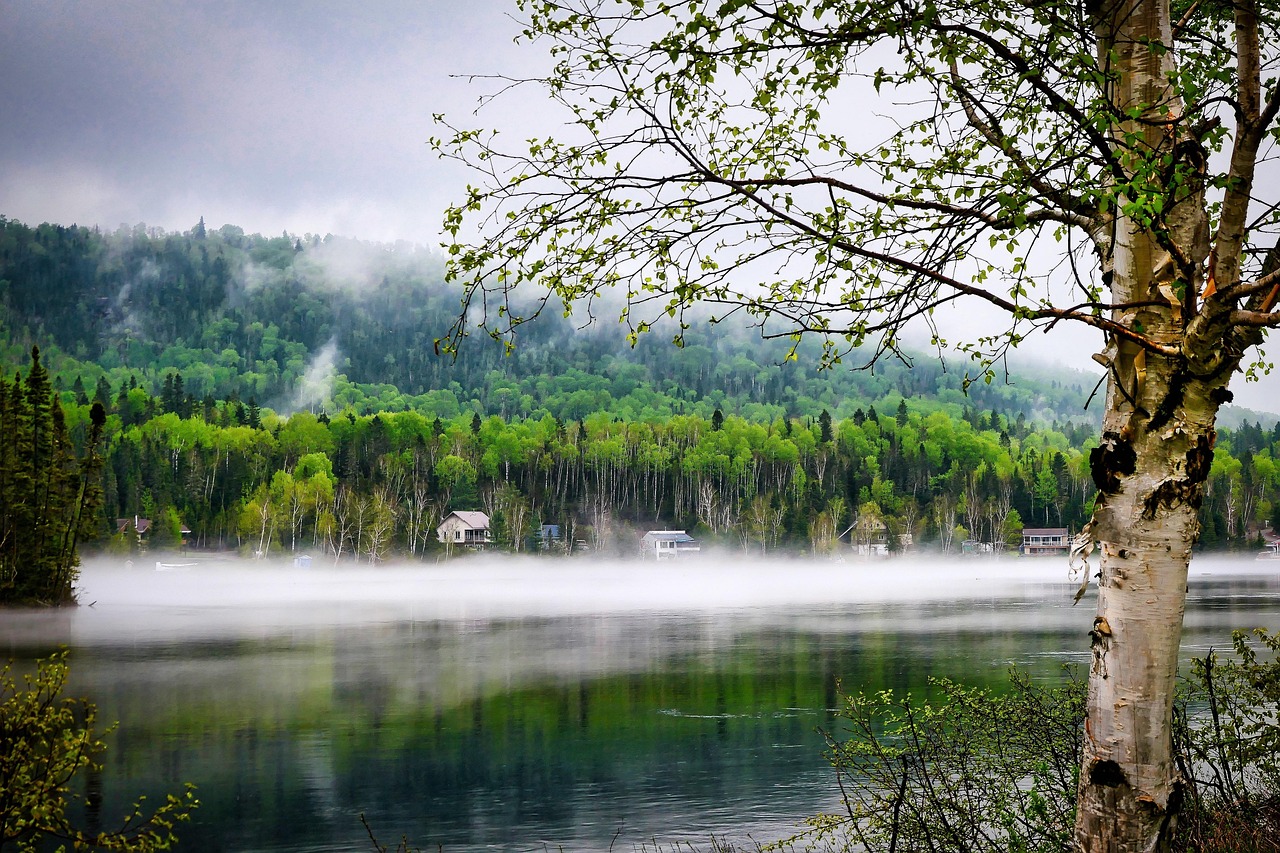
A complete guide for first-time visitors — visa requirements, top destinations, budget planning, and essential tips for an unforgettable Canadian experience.
Read More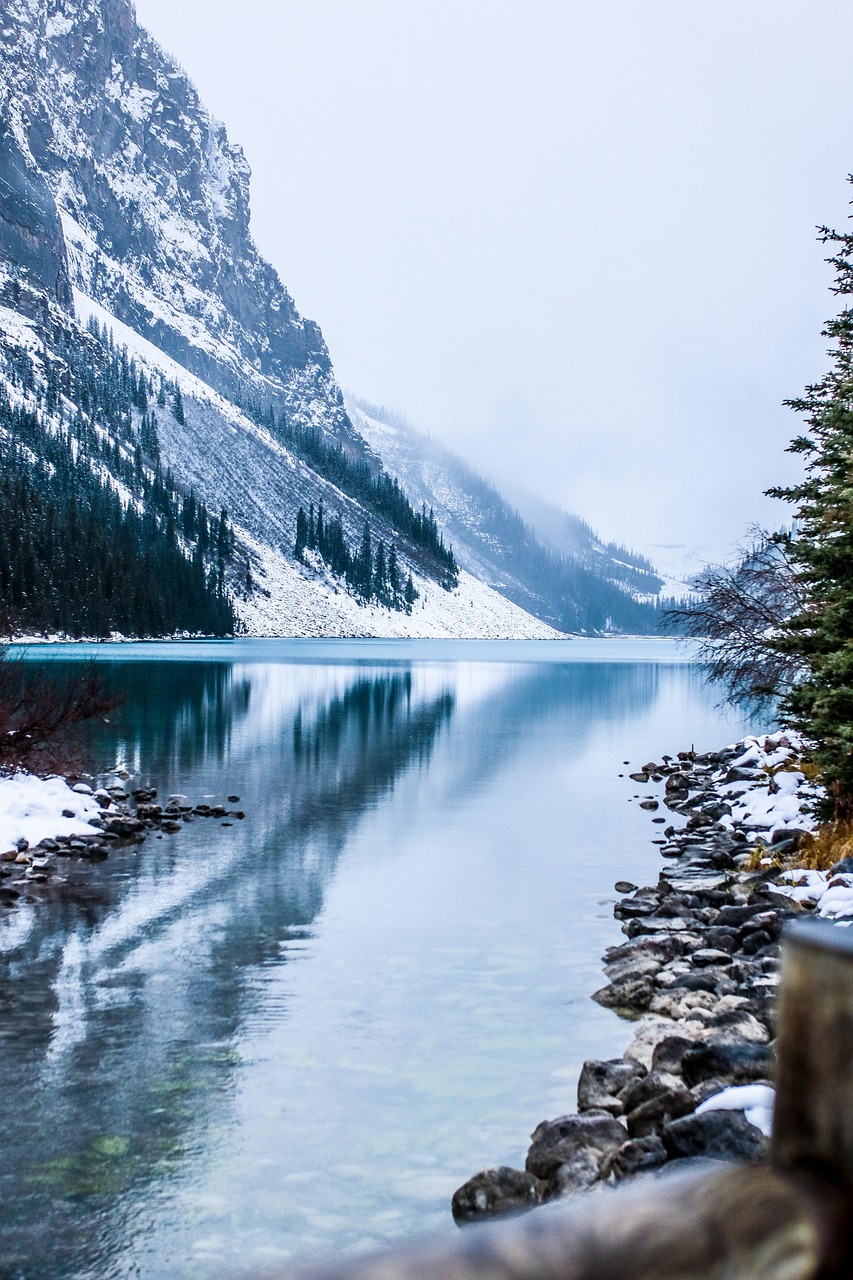
Discover Canada's world-class national parks — from the towering peaks of Banff and Jasper to the dramatic fjords of Gros Morne and Pacific Rim's wild coastline.
Read More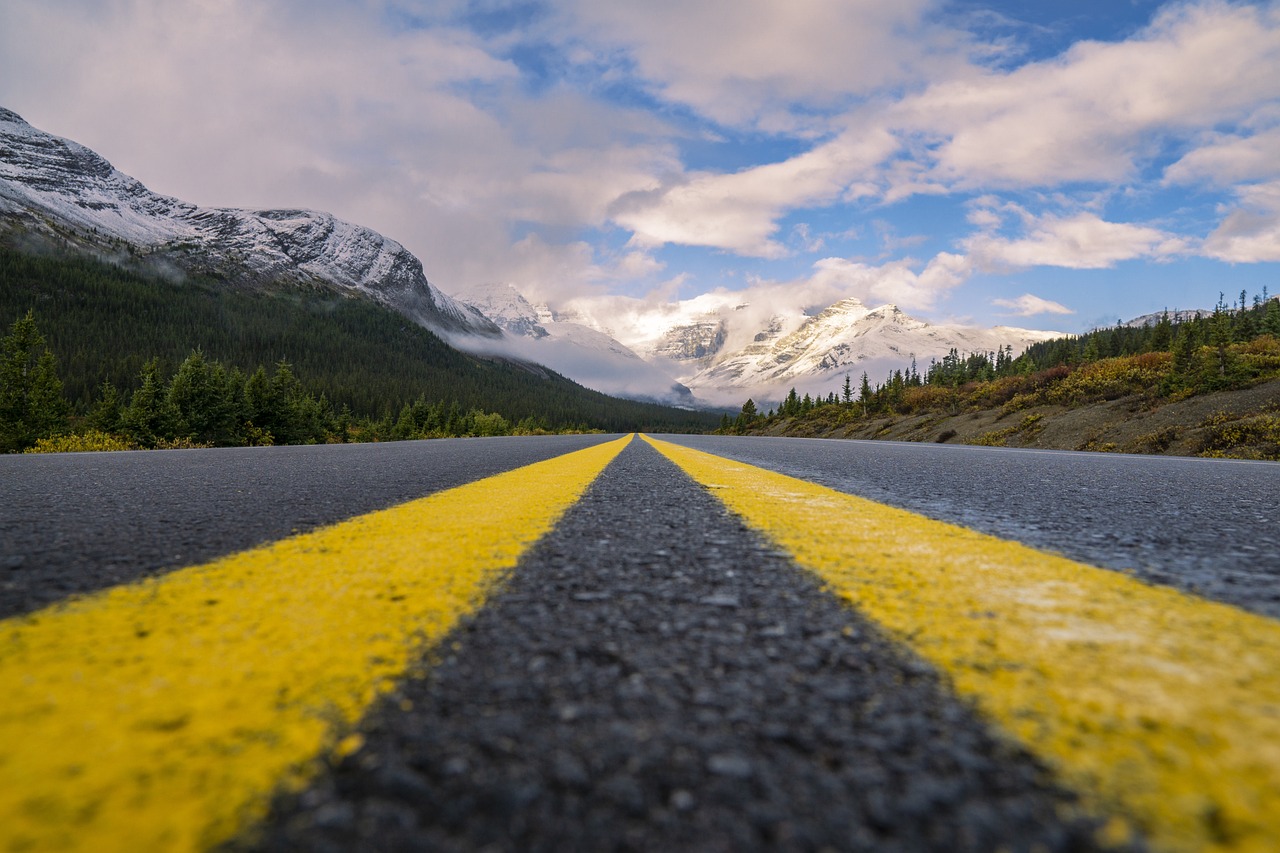
Hit the open road and explore Canada's most spectacular driving routes — the Icefields Parkway, Cabot Trail, Sea-to-Sky Highway, and more.
Read More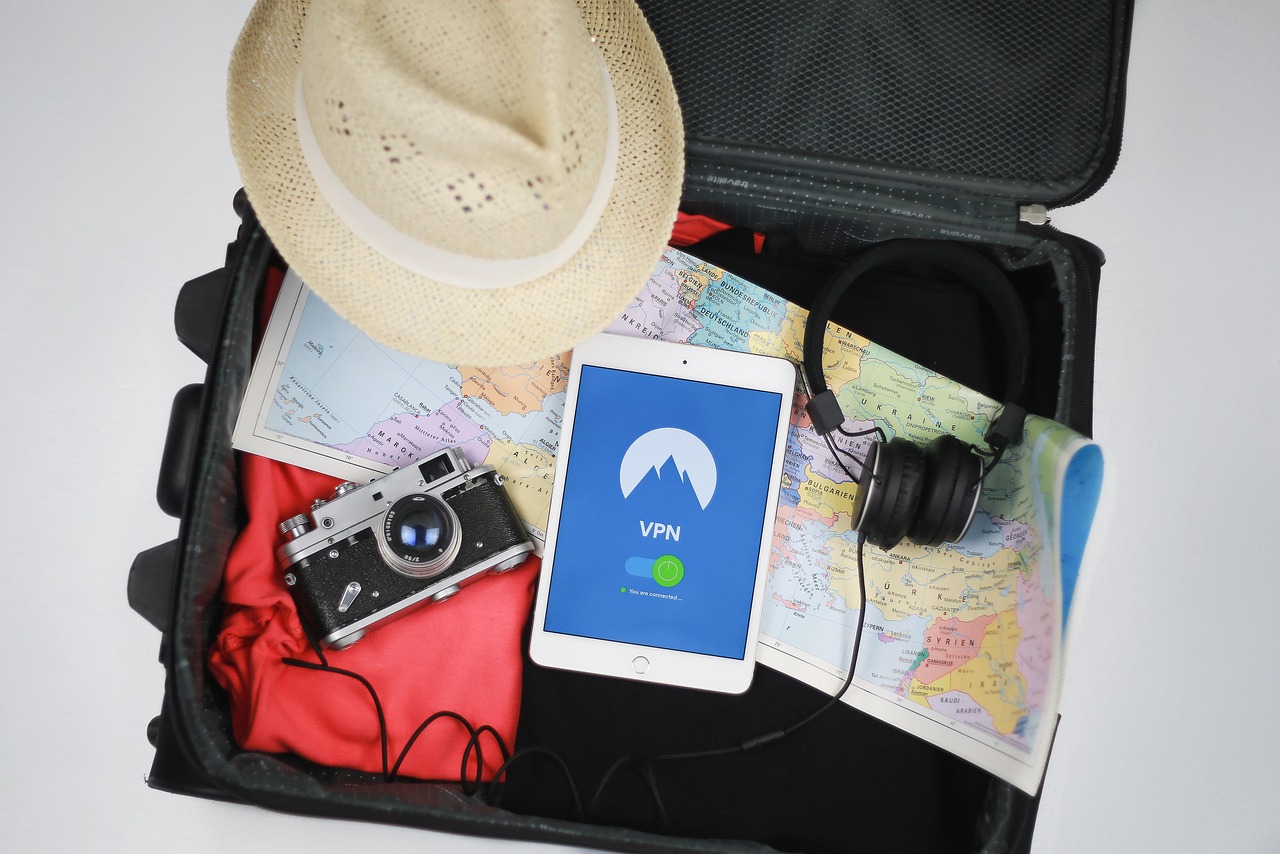
Know exactly what to pack for your Canadian adventure — seasonal clothing, outdoor gear, health essentials, and tech accessories you won't want to forget.
Read More
Understand Canadian social norms, dining etiquette, tipping culture, and language tips so you can travel with confidence and respect.
Read More
From poutine and butter tarts to world-class fine dining — explore Canada's vibrant food scene, regional specialties, and must-visit food markets.
Read MoreKey things every traveller should know before arriving in Canada.
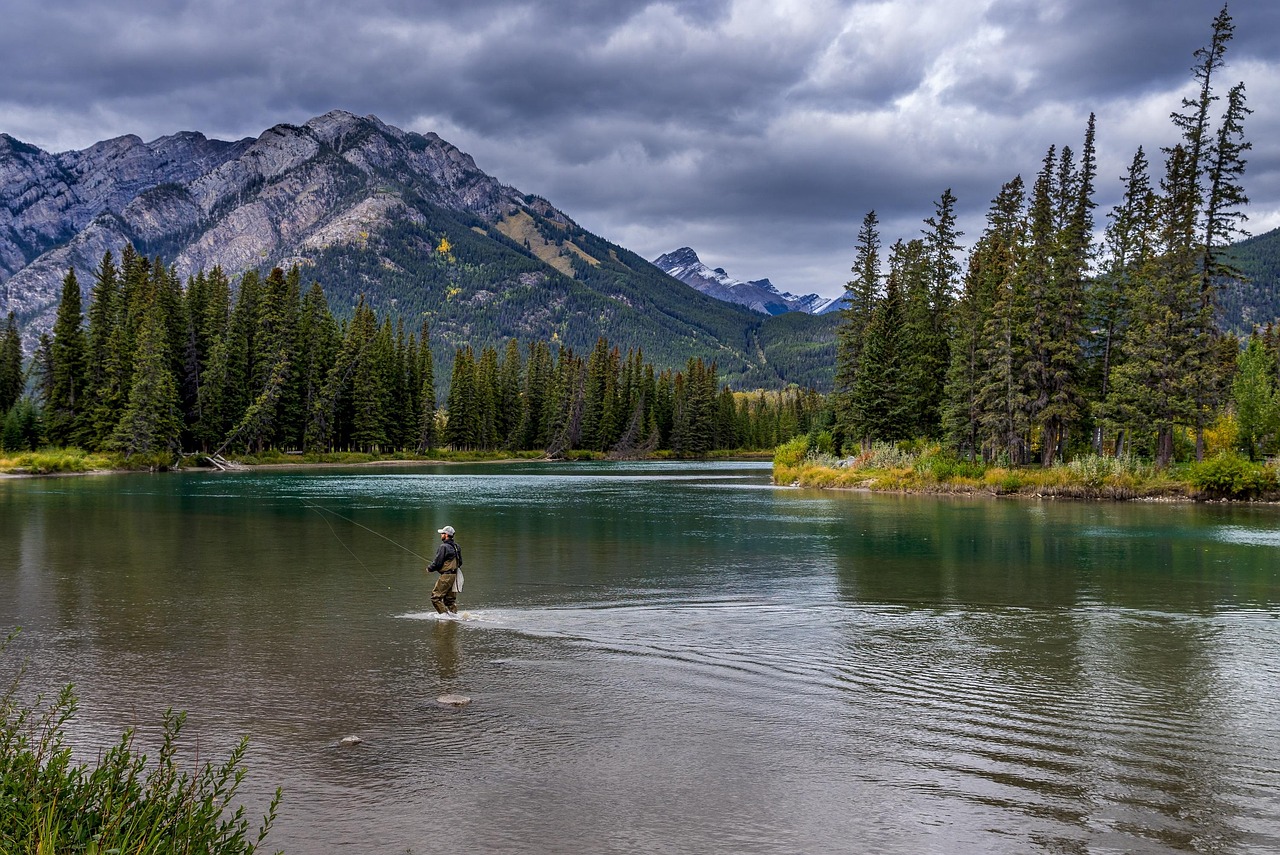
Canada is a year-round destination, but the best time to visit depends on your interests. June to September offers warm weather, long daylight hours, and access to hiking trails and national parks. December to March is ideal for skiing, snowboarding, and Northern Lights viewing. September to October brings stunning fall foliage, especially in Ontario, Quebec, and the Maritimes. Shoulder seasons (May and October) offer fewer crowds and lower prices.

Canada uses the Canadian Dollar (CAD). Credit and debit cards are widely accepted, including contactless payments. ATMs are readily available in cities and towns. Tipping is customary — 15-20% in restaurants, $1-2 per drink at bars, and $2-5 per day for hotel housekeeping. Many smaller shops and rural areas also accept cash, so it's a good idea to carry some bills. US dollars are occasionally accepted near the border but at unfavourable exchange rates.
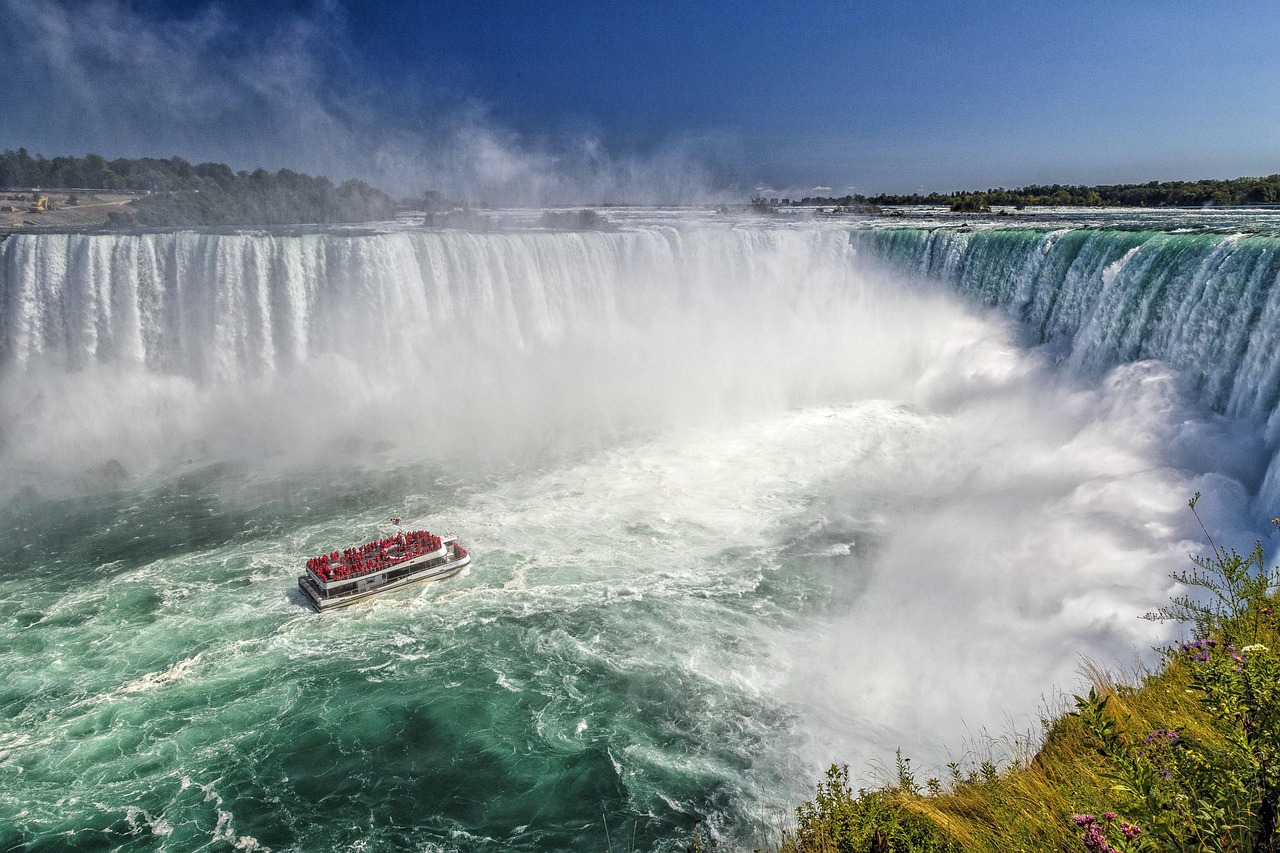
Canada is the second-largest country in the world, so plan your transport carefully. Domestic flights connect major cities efficiently. Renting a car is the best way to explore rural areas and national parks. VIA Rail offers scenic train routes, including the famous Toronto–Vancouver Canadian. Cities like Toronto, Montreal, and Vancouver have excellent public transit systems. In winter, ensure your vehicle has winter tires — it's the law in many provinces.
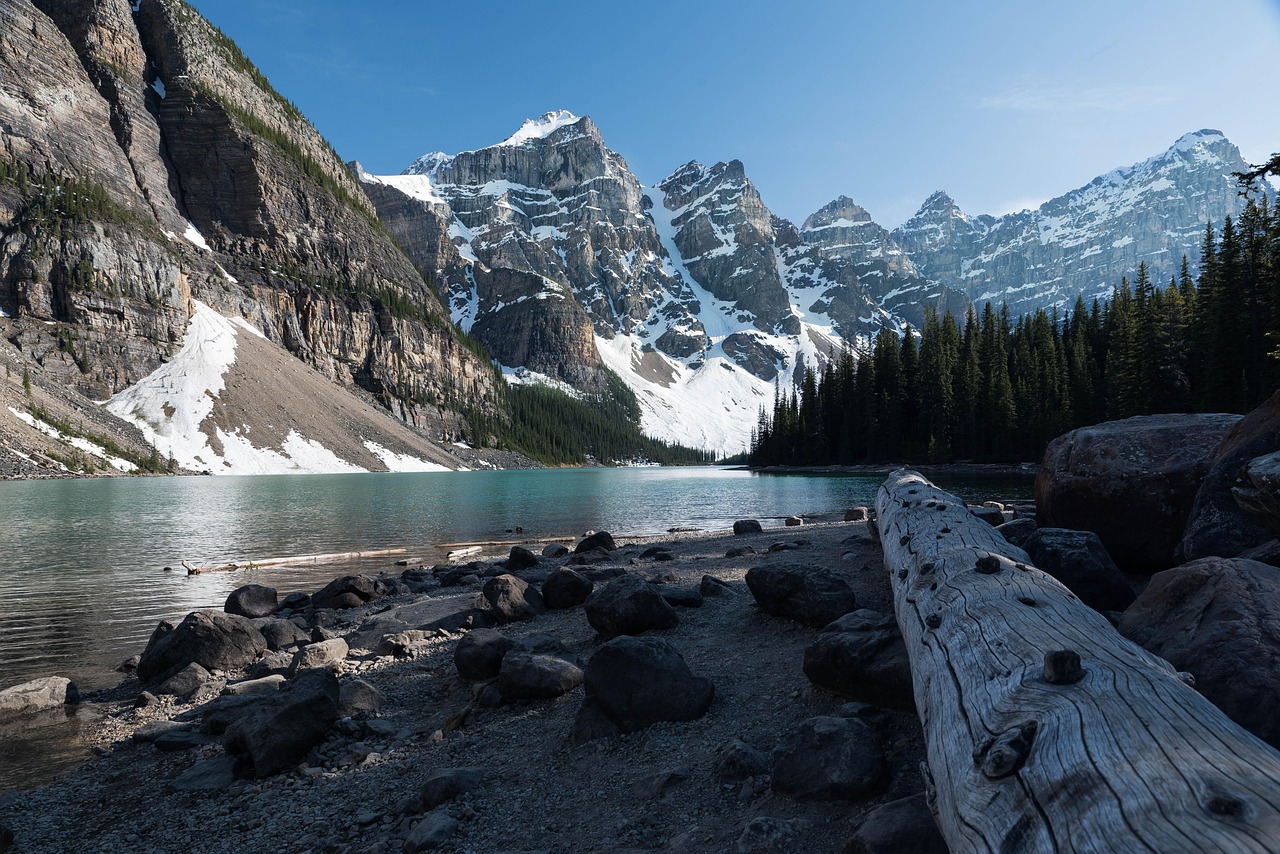
Layering is essential in Canada, as temperatures can vary dramatically throughout the day. In summer, bring light clothing, a rain jacket, and sunscreen. In winter, pack thermal base layers, a heavy insulated coat, waterproof boots, gloves, and a warm hat. Year-round, bring comfortable walking shoes, insect repellent (especially in summer), and a reusable water bottle. Don't forget a good camera — Canada's landscapes are extraordinarily photogenic.
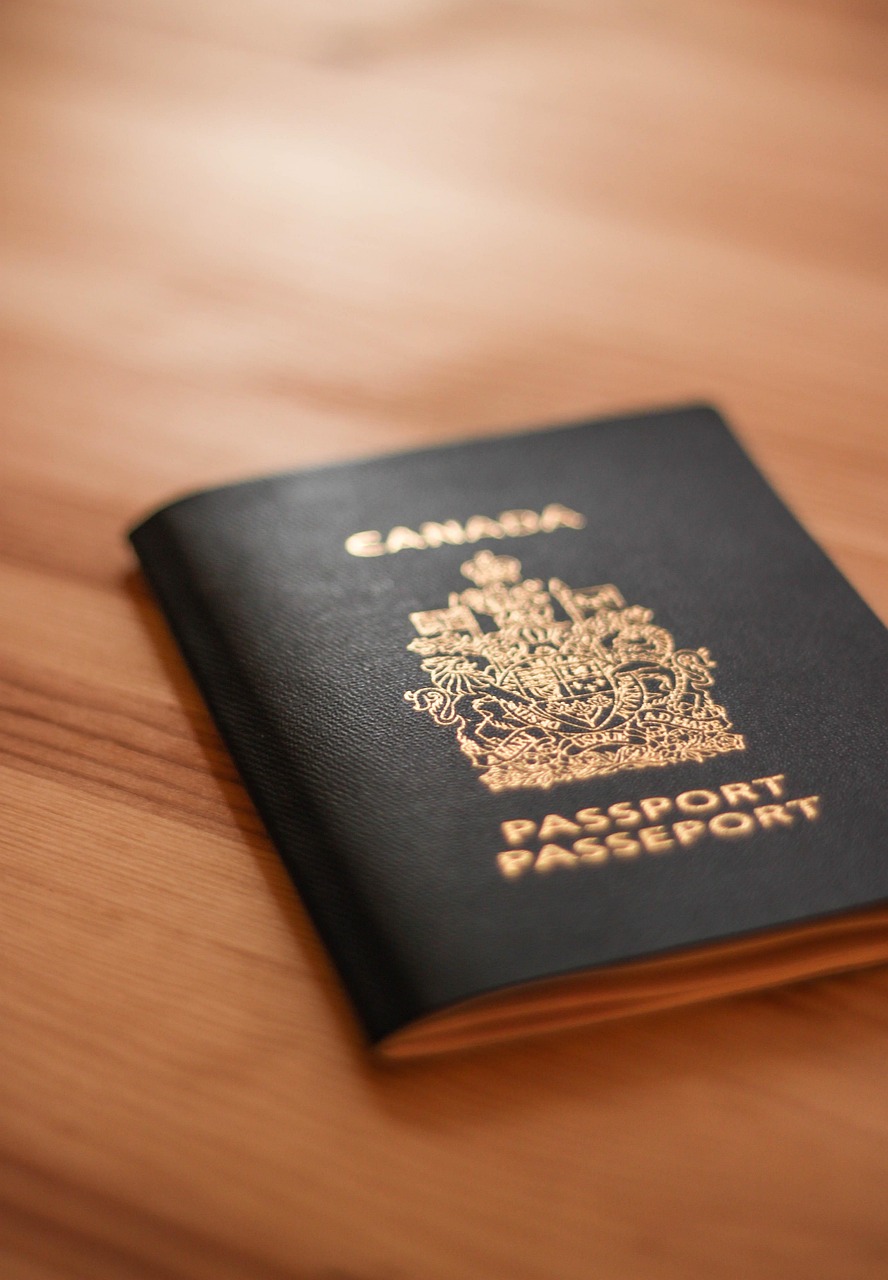
Canada is one of the safest countries in the world for travellers. However, travel insurance is essential — healthcare for visitors is not free and can be extremely expensive. Tap water is safe to drink everywhere. In wilderness areas, be aware of wildlife safety — carry bear spray in bear country and keep a safe distance from all wild animals. In winter, watch for icy sidewalks and dress warmly to avoid frostbite. Emergency services are reached by dialling 911.
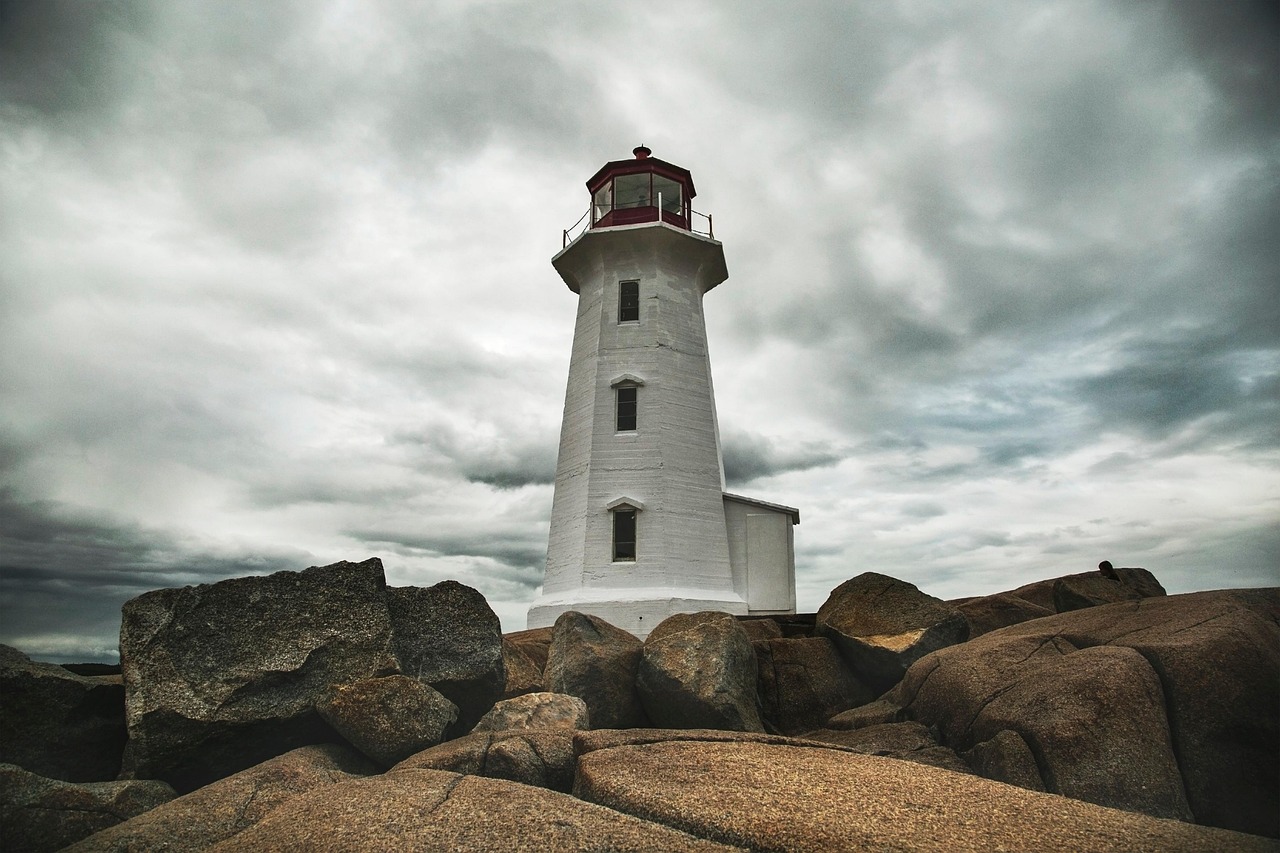
Canada has two official languages: English and French. English is dominant in most provinces, while French is the primary language in Quebec and parts of New Brunswick. Canadians are known for being polite, friendly, and welcoming. Multiculturalism is a core Canadian value — you'll encounter diverse communities and cuisines everywhere. Learning a few French phrases is appreciated in Quebec. Canadians say "sorry" frequently — it's a sign of politeness, not an admission of fault!
Ottawa, Ontario
Canadian Dollar (CAD)
English & French
120V / 60Hz — Type A & B plugs
911
UTC-3.5 to UTC-8
Let us help you plan the perfect Canadian adventure — from the Rockies to the Atlantic coast and everything in between.
Explore Our Tours Entry Requirements